The evolution of gambling Tracing the roots of chance and chance-taking
Historical Origins of Gambling
The origins of gambling can be traced back to ancient civilizations, where games of chance were often embedded in cultural rituals and social gatherings. Archaeological evidence suggests that as early as 3000 BC, the Chinese were playing games using rudimentary dice made from animal bones. Similarly, ancient Egyptians used betting systems in board games that reflected their belief in fate and fortune. Today, many enthusiasts explore various betting options, including us online casinos, as part of this rich history.

The Greeks and Romans expanded on these early forms of gambling, incorporating it into their entertainment and social structures. They held public games and betting events, setting the stage for more organized forms of gambling that would evolve over time. As societies progressed, so too did the complexity of gambling games, leading to the development of more structured rules and regulations.
The Rise of Modern Gambling
With the advent of the Renaissance, gambling saw a significant transformation. The introduction of playing cards in Europe during the 14th century marked a pivotal moment, leading to the creation of numerous card games that are still popular today. The establishment of gaming houses and casinos in the 17th century in places like Venice and Paris reflected an increasing societal acceptance of gambling as a mainstream activity.
During this era, legal frameworks began to emerge around gambling practices, as governments recognized the potential tax revenue from these activities. However, these regulations also sparked ethical debates about the morality of gambling, particularly concerning issues of addiction and social responsibility.
Technological Innovations and Gambling
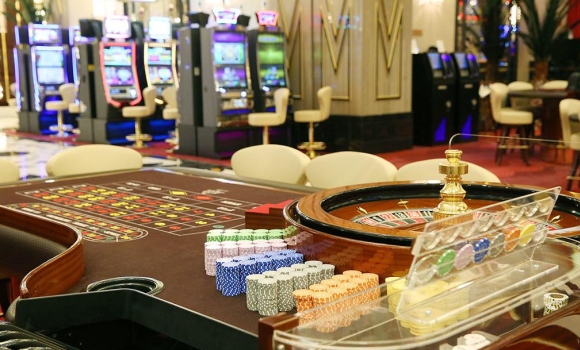
The 20th century witnessed a revolution in gambling thanks to technological advancements. The introduction of slot machines and electronic gaming devices modernized the gambling landscape, making it more accessible to the masses. This accessibility contributed to a surge in popularity, particularly in urban areas where entertainment options were rapidly expanding.
Online gambling emerged in the late 1990s, further transforming how people engaged with games of chance. The digital age allowed for a global reach, enabling players from different regions to connect and gamble without the constraints of physical locations. However, this shift has also raised ethical concerns regarding regulation, fairness, and the potential for addiction in an easily accessible online environment.
Current Trends and Ethical Considerations
Today, gambling is a multi-billion dollar industry that has integrated itself into various facets of modern culture, from sports betting to online casinos. However, this popularity comes with significant ethical implications. Questions about responsible gambling practices, the impact on mental health, and the societal costs of gambling addiction continue to be critical discussions.
Moreover, regulatory bodies are increasingly focused on ensuring fair play and safeguarding vulnerable populations. The ethical considerations surrounding gambling are now more prominent than ever, prompting ongoing debates about the role of government and industry in protecting consumers while allowing for personal freedom.
AdventureGamers.com: A Community for Gaming Enthusiasts
AdventureGamers.com serves as a vibrant hub for gaming enthusiasts, particularly those interested in adventure games. By offering in-depth reviews, news, and community resources, the platform enhances the gaming experience for its users. The site strives to create a supportive environment where gamers can share insights, experiences, and discover new trends in the gaming world.
As technology continues to evolve, so does the landscape of gaming and gambling. AdventureGamers.com remains committed to staying informed about these trends, ensuring that its community members are equipped with the latest knowledge and resources to navigate the ever-changing world of gaming.